
Kanyini Mission
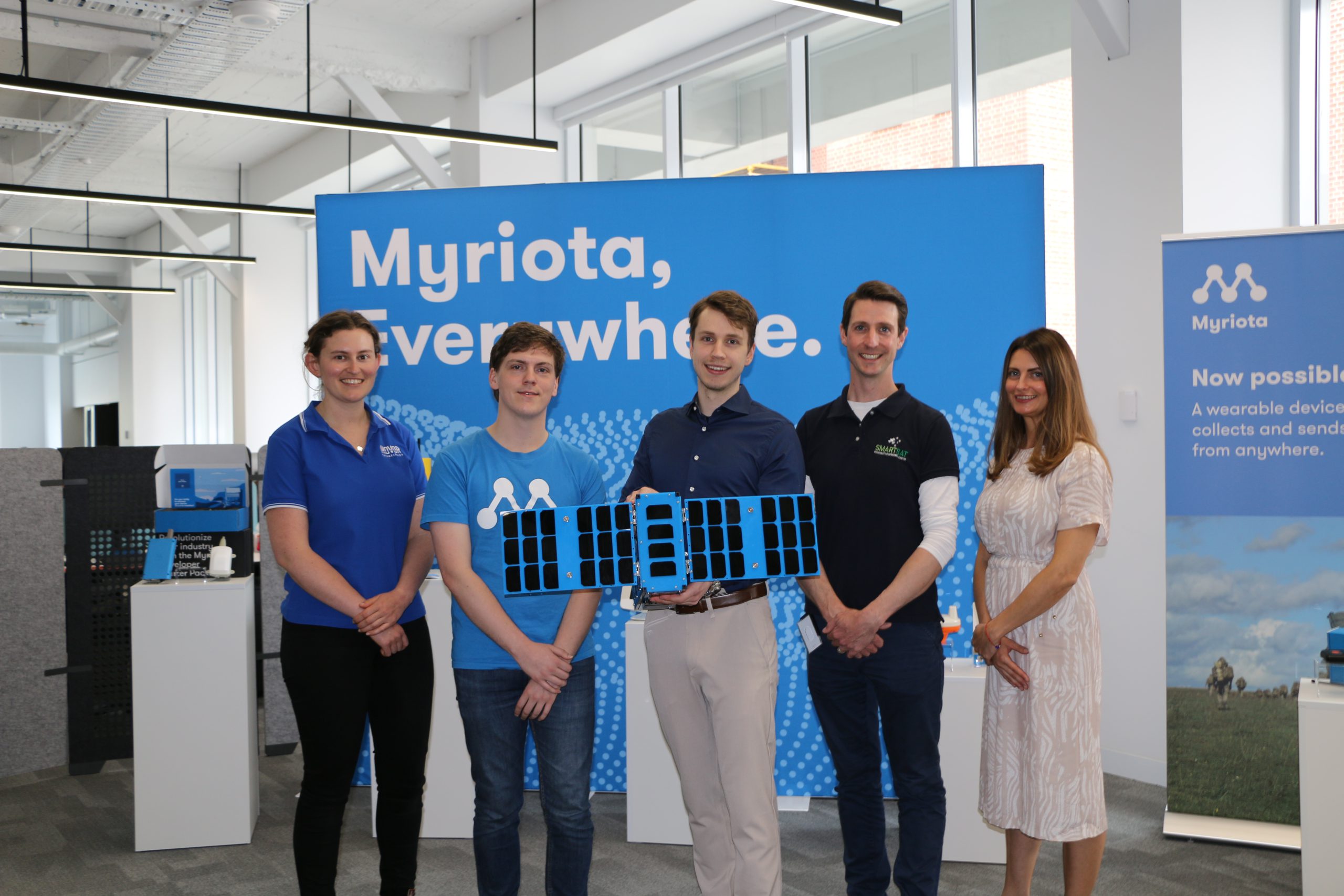
In 2024, the Government of South Australian partnered with SmartSat Cooperative Research Centre, Inovor Technologies and Myriota to launch a locally built small satellite into low Earth orbit.
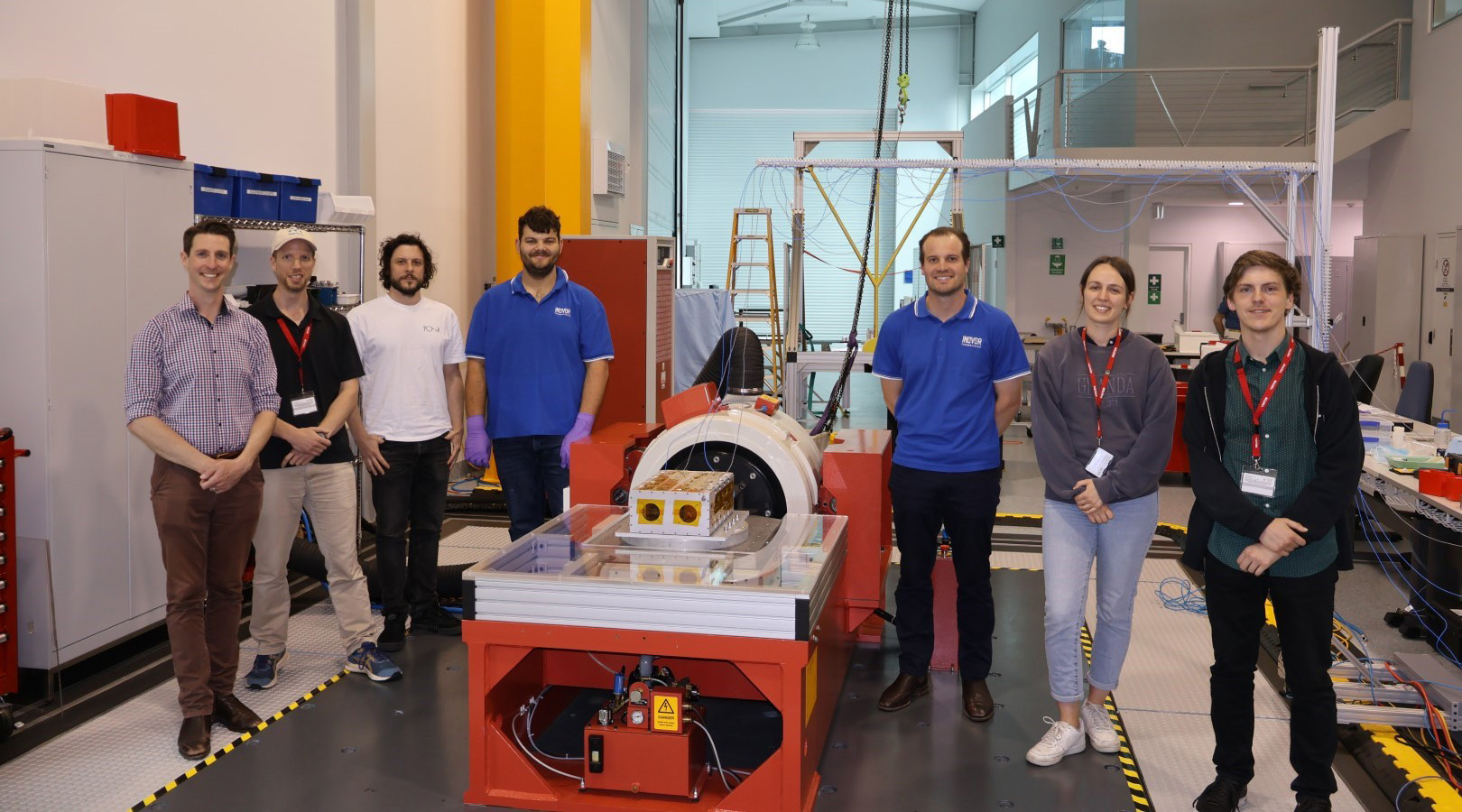
Fully manufactured at Adelaide’s Lot Fourteen, South Australia’s first state-funded satellite – Kanyini – was launched onboard SpaceX’s Transporter-11 mission from Vandenberg Space Force Base, California on 17 August 2024.
Kanyini
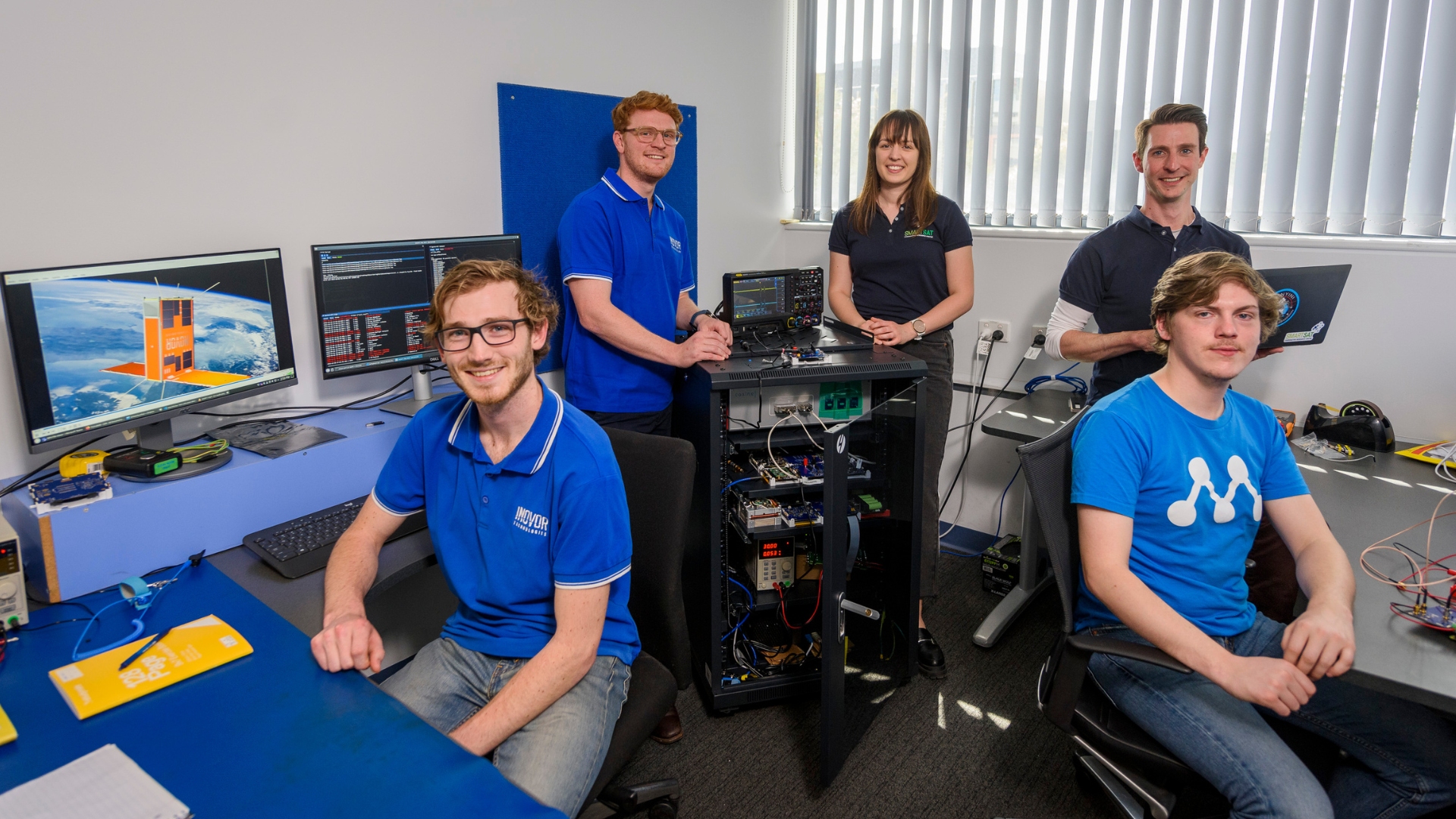
The Kanyini satellite was designed and built in South Australia, with the SmartSat CRC leading the mission as well as application prototyping. Adelaide-based satellite manufacturer Inovor built the satellite, while Myriota, a world-leading provider of secure, low-cost, and long battery life satellite connectivity for the Internet of Things (IoT) developed the IoT services for the mission.

Kanyini was launched with two on board payloads, a HyperScout 2 Flight Model hyperspectral imager, a compact imaging payload providing Earth Observation imagery and Myriota’s IoT Space Services device.
The Kanyini satellite was fully commissioned in early 2025, marking a historic achievement for the mission. This milestone included successful operation on-orbit operation of Myriota’s new IoT payload to process signals and communicate IoT data from ground-based devices and sensors via the Myriota network and delivery of the hyperspectral Earth observation imaging, with Kanyini capturing over 50 images for SA Government partners and researchers.
In mid 2025, the Kanyini mission encountered an unexpected critical technical anomaly during its operation, which has affected some of the mission’s planned extended research objectives. The anomaly has compromised the satellite’s payload interface computer, impacting communication with the hyperspectral imager and IoT payloads. All other satellite systems remain fully operational, allowing engineers to continue to monitor and collect data, including Telemetry, Tracking and Control information.
The Kanyini Mission is a major milestone for South Australia’s space sector, successfully achieving critical objectives. This includes establishing space heritage for South Australian partners, increasing the capabilities of local space companies in the small satellite supply chain and creating new investment opportunities for local space SMEs.
The Australian-first project demonstrates the value of collaboration in fostering significant advancements in space technology research and development.
Naming of Kanyini satellite
Kanyini is a Pitjantjatjara word that describes the principle of responsibility and unconditional love for all of creation.
In 2021, to inspire young South Australians about future opportunities in space and demonstrate its impact on everyday life, South Australian school students were invited to submit entries to name the satellite and become a part of South Australian history.
Year 11 students from Findon High School won the challenge with their nomination of Kanyini. The students were inspired by the connection of Kanyini to how the satellite data would be used to tackle real world problems.